
Premier League May Abolish the 3pm Blackout: Everything About Future Broadcasts
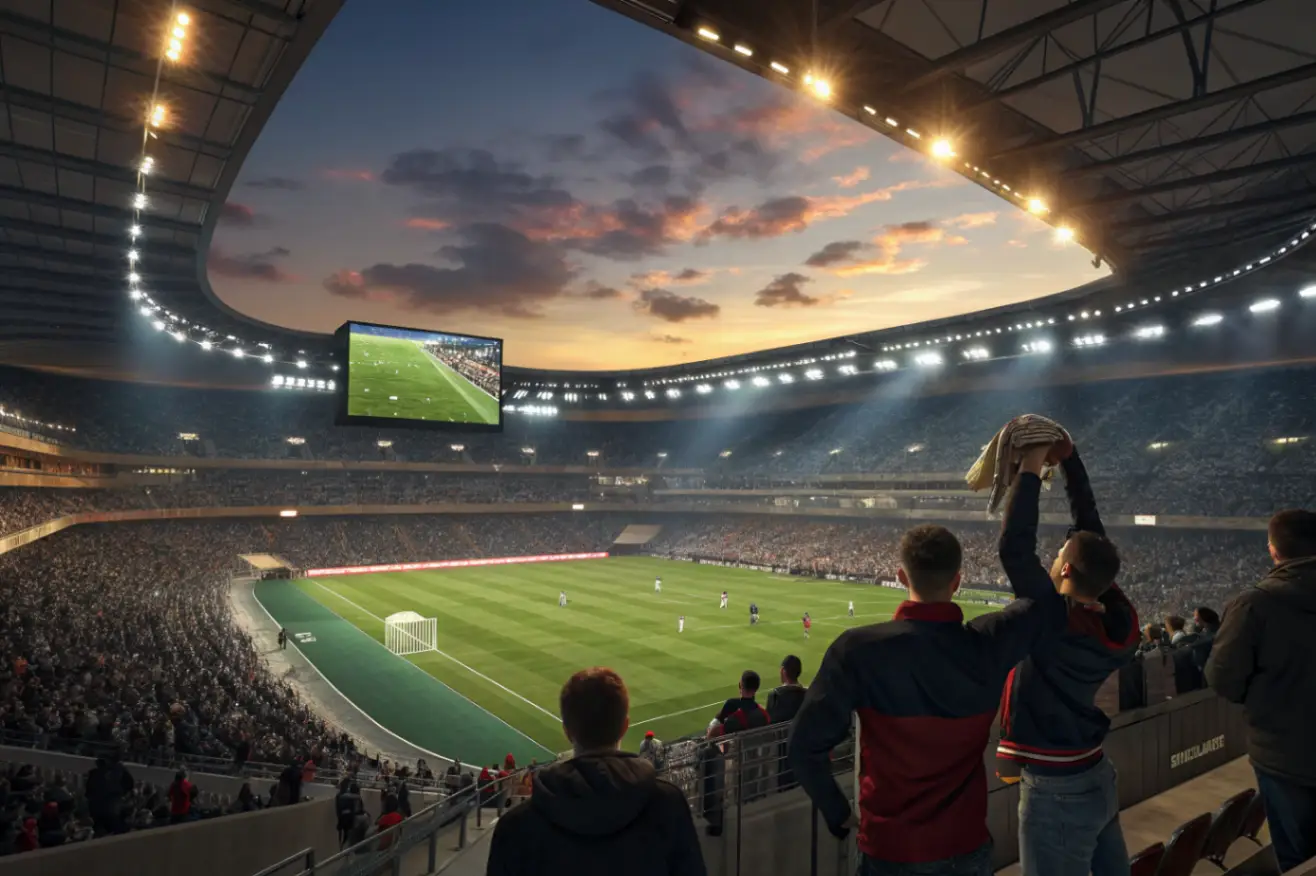
The long-standing 3pm blackout rule has shaped how English football is watched for decades, influencing fan habits, broadcaster strategies, and even stadium attendance. Now, with changing media consumption patterns and mounting financial pressure across the football pyramid, the Premier League is seriously considering a historic shift. The possible abolition of the 3pm blackout would fundamentally change how fans engage with top-flight football in England and beyond.
This article explores what the potential end of the 3pm blackout means for the Premier League, broadcasters, clubs, and supporters. From historical context to commercial implications and future scenarios, we examine the issue in depth and explain why this decision could mark one of the most significant turning points in English football media history.
What Is the 3pm Blackout and Why It Exists
The 3pm blackout is a rule that prevents live football matches from being broadcast in the UK between 2:45pm and 5:15pm on Saturdays. Introduced in the 1960s, its original purpose was simple: to protect matchday attendance, particularly in the lower leagues. The belief was that if fans could watch top-tier matches live on television during peak Saturday hours, they would stop attending games in person, especially outside the Premier League.
For decades, this regulation has remained largely unchanged, even as football transformed into a global entertainment industry. While fans in other countries can watch every Premier League match live, UK supporters are still restricted, often relying on live radio, text commentary, or unofficial streams. This contrast has become increasingly difficult to justify in the digital age, where content is expected to be available instantly and on demand.
Critics argue that the blackout is outdated and ineffective, especially given the rise of online streaming and international broadcasting. Supporters of the rule, however, insist it continues to play a vital role in sustaining grassroots football and preserving the traditional Saturday matchday culture across England.
Why the Premier League Is Considering Ending the Blackout
Several converging factors have pushed the Premier League toward reconsidering the 3pm blackout. Financial pressures, changing viewer habits, and evolving broadcast technologies have all contributed to the debate. The COVID-19 pandemic was a major turning point, as matches were temporarily broadcast during blackout hours to compensate for empty stadiums. This experiment demonstrated strong viewing figures without an immediate collapse in lower-league attendance.
Below is an overview of the main drivers behind the potential policy shift and how they affect the football ecosystem.
| Factor | Impact on the Blackout Debate |
|---|---|
| Declining traditional TV subscriptions | Encourages leagues to maximize live content availability |
| Growth of global streaming platforms | Highlights inequality between UK and international viewers |
| Financial strain on clubs | Increases demand for higher broadcast revenues |
| Pandemic-era broadcast experiments | Showed blackout removal may not harm attendances |
| Fan dissatisfaction | Puts pressure on league governance and broadcasters |
These factors collectively suggest that the blackout may no longer serve its original purpose. After reviewing these elements, it becomes clear that the Premier League’s commercial growth and global competitiveness are increasingly constrained by domestic restrictions. If the league wants to remain at the forefront of sports broadcasting, greater flexibility in match scheduling and live coverage could be unavoidable.
How Ending the Blackout Would Change TV and Streaming Coverage
If the 3pm blackout is abolished, the immediate impact would be a dramatic expansion of live Premier League coverage in the UK. Broadcasters such as Sky Sports, TNT Sports, and Amazon Prime Video would gain access to a previously untapped time slot, allowing fans to watch multiple matches simultaneously on Saturday afternoons.
This shift would likely accelerate the transition from traditional television to digital-first platforms. Streaming services could offer flexible viewing options, including multi-match feeds, personalized alerts, and interactive features such as real-time statistics and tactical overlays. For younger audiences accustomed to on-demand content, this change would align football consumption with modern media habits.
To understand the scope of potential changes, it is important to consider what full access could include:
- Live broadcasts of all Saturday 3pm Premier League matches.
- Enhanced streaming packages with multi-game viewing options.
- Club-specific subscriptions for dedicated supporters.
- Greater integration of live data, analytics, and fan interaction.
After introducing these possibilities, it becomes clear that the end of the blackout would not simply add more matches to TV schedules. It would reshape how football is packaged, marketed, and experienced, turning Saturday afternoons into a fully immersive digital event rather than a fragmented viewing experience.
Impact on Fans: Accessibility, Costs, and Viewing Habits
For fans, the abolition of the 3pm blackout would be both exciting and challenging. On one hand, supporters would finally be able to watch their teams legally and live every weekend, eliminating the frustration of missed matches or reliance on unofficial streams. This increased accessibility could strengthen emotional connections between fans and clubs, particularly for those unable to attend matches due to distance, disability, or cost.
On the other hand, concerns remain about affordability. Expanded coverage may come with higher subscription costs or fragmented rights across multiple platforms. Fans could find themselves needing several services to follow one team throughout the season, raising questions about value for money and inclusivity.
Viewing habits would also evolve. Traditional rituals—traveling to matches, listening to radio commentary, or gathering in pubs—might decline, replaced by home-based or mobile viewing. However, international experience suggests that while habits change, passion for the game remains strong. The key challenge will be balancing convenience with affordability, ensuring that increased access does not come at the expense of loyal supporters.
Consequences for Lower-League and Grassroots Football
One of the strongest arguments against removing the 3pm blackout is its potential impact on lower-league and grassroots football. Smaller clubs rely heavily on matchday revenue, and any decline in attendance could threaten their financial stability. The fear is that fans might choose to watch Premier League matches at home rather than attend local games.
However, evidence from other countries where no blackout exists paints a more nuanced picture. Attendance at lower levels often depends more on community ties, ticket pricing, and club engagement than on television schedules. Supporters of non-league clubs tend to be deeply connected to their local teams, and their loyalty may not be easily disrupted by increased Premier League coverage.
The Premier League has also discussed redistributing a portion of additional broadcast revenue to support the wider football pyramid. If implemented effectively, this could offset potential losses and even strengthen grassroots infrastructure. In this context, the end of the blackout could become an opportunity to modernize funding models rather than a threat to football’s foundations.
Commercial and Global Implications for the Premier League
From a commercial perspective, removing the 3pm blackout could significantly increase the value of domestic broadcasting rights. Currently, UK viewers have less access to live Premier League content than international audiences, an imbalance that limits revenue growth in the league’s home market. Full access would allow broadcasters to offer more comprehensive packages, attracting higher bids in future rights negotiations.
Globally, the change would reinforce the Premier League’s position as the most accessible and marketable football competition in the world. Sponsors and advertisers would benefit from larger, more engaged audiences during peak weekend hours. Clubs could leverage increased exposure to grow their brands, attract international fans, and expand commercial partnerships.
At the same time, the league would need to manage scheduling carefully to avoid oversaturation. Maintaining competitive balance, preserving matchday atmosphere, and ensuring player welfare will remain critical considerations as commercial opportunities expand.
When Could the Blackout End and What Happens Next
While discussions are ongoing, any decision to abolish the 3pm blackout would likely align with the next domestic broadcast cycle. This would give broadcasters, clubs, and fans time to adapt to new schedules and pricing models. Legal and regulatory considerations also play a role, as the blackout is embedded in agreements between leagues and broadcasters.
If the rule is removed, a phased approach is possible. The Premier League could initially allow limited 3pm broadcasts before moving toward full coverage. This would provide valuable data on attendance, viewing figures, and fan behavior, helping stakeholders make informed long-term decisions.
Ultimately, the future of the blackout will depend on whether the Premier League believes it can modernize access to its product while preserving the health of English football as a whole.
Conclusion
The potential abolition of the 3pm blackout represents far more than a scheduling adjustment. It is a reflection of how football, media, and fan expectations have evolved. While risks remain, especially for lower-league clubs, the opportunity to create a more accessible, transparent, and globally competitive broadcasting model is compelling.
If managed carefully, the end of the blackout could mark a new era for English football—one that embraces digital innovation while finding new ways to protect the traditions that make the game unique.