
How TikTok Makes Sumo Popular: Media Effect in Sports 2025
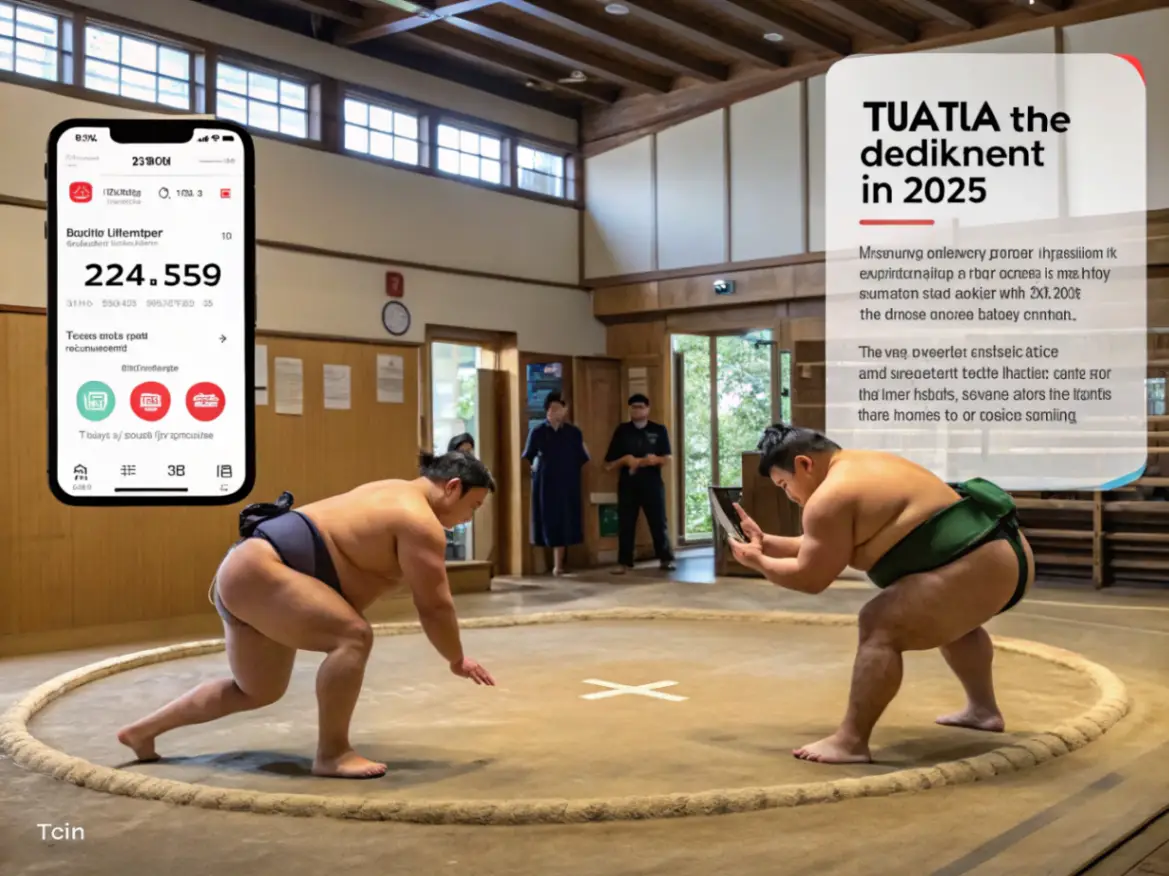
In 2025, the relationship between sport and media has reached a new stage, where social platforms are no longer just channels of distribution but active engines of transformation. Among them, TikTok plays a unique role, reshaping how audiences discover, consume, and emotionally engage with sports content.
One of the most surprising examples of this shift is sumo wrestling. A discipline rooted in centuries-old Japanese tradition has found new global relevance through short-form vertical video, algorithmic discovery, and participatory fan culture. This article explores how TikTok makes sumo popular, focusing on the media effect in sports in 2025 and the deeper structural changes behind this phenomenon.
TikTok and the Transformation of Sports Media
The rise of TikTok has fundamentally altered how sports are packaged and perceived. Unlike traditional broadcasting, which relies on scheduled events, expert commentary, and long-form coverage, TikTok prioritizes moments over matches and emotions over analysis. This change has been crucial for niche or culturally specific sports like sumo. In the TikTok ecosystem, a sport does not need global leagues or international stars to gain attention; it needs visual intensity, authenticity, and repeatable storytelling elements.
Sumo fits this logic almost perfectly. Each bout is short, visually striking, and immediately understandable even without prior knowledge. The platform’s algorithm amplifies content that triggers fast emotional reactions, such as surprise, humor, or awe. Sumo wrestlers colliding at the tachiai, ceremonial rituals before a match, and dramatic upsets between ranks all translate exceptionally well into TikTok’s format. As a result, sumo clips circulate far beyond traditional sports audiences, reaching users who might never watch a full tournament broadcast.
Why Sumo Wrestling Works on Short-Form Video Platforms
The media effect of TikTok on sumo cannot be explained by distribution alone. The sport’s internal structure aligns with the mechanics of short-form video in ways that many modern sports do not. A sumo match rarely lasts more than a few seconds, yet it carries a sense of finality and intensity that feels complete within a single clip. This makes it ideal for looping, replaying, and remixing, all of which are core behaviors on TikTok.
Another key factor is visual contrast. The size and physique of rikishi, the stark simplicity of the dohyo, and the ritualized movements before the bout create a strong visual identity. TikTok’s emphasis on aesthetics and instant recognition rewards content that can be understood without context or explanation. Viewers do not need to know the rules to feel the impact of a bout, which lowers the barrier to entry and encourages casual engagement that can later turn into deeper interest.
Algorithmic Discovery and Global Audience Expansion
One of the defining features of TikTok in 2025 is its ability to surface content to users with no prior connection to a topic. Unlike follower-based platforms, TikTok’s recommendation system actively tests videos with diverse audiences. When a sumo clip performs well, it is pushed to new demographic groups, often outside Japan or even outside sports-related interest clusters. This is where the media effect becomes global rather than local.
For sumo, this means exposure to younger audiences in Europe, North America, and Southeast Asia who encounter the sport not as a traditional cultural artifact but as viral entertainment. Over time, repeated exposure builds familiarity. Viewers begin to recognize wrestlers, understand basic ranks, and anticipate outcomes. This gradual education through entertainment represents a new model of sports globalization, driven less by institutional promotion and more by algorithmic relevance.
In the middle of this process, several recurring content patterns have proven especially effective on TikTok, helping sumo maintain visibility and engagement over time. These patterns are not accidental but emerge from how creators, fans, and even official organizations adapt to platform logic.
- Short clips focusing on explosive match starts and sudden finishes.
- Behind-the-scenes moments showing training, daily routines, and personality.
- Educational micro-content explaining rituals, ranks, or rules in under 30 seconds.
- Humorous edits, memes, and sound trends built around iconic sumo moments.
Before this list, it is important to note that none of these formats require deep production resources. After the list, it becomes clear why sumo thrives here: the sport offers enough raw material to support multiple storytelling angles without losing authenticity.
Content Creators, Fan Culture, and Participatory Media
TikTok’s influence on sumo is not limited to official channels. Independent creators play a central role in shaping how the sport is framed and understood. Many popular sumo-related accounts are run by fans who curate highlights, add captions, or provide quick explanations in accessible language. This decentralization of media power allows alternative narratives to emerge, often emphasizing personal stories, underdog arcs, or cultural curiosity rather than strict competitive analysis.
Fan participation also changes the emotional tone of sumo coverage. Comment sections become spaces of learning and debate, where newcomers ask questions and long-time fans provide context. This interactive layer strengthens engagement and creates a sense of community that traditional broadcasting rarely achieves. In 2025, sports popularity is increasingly tied to this participatory dimension, where audiences feel involved rather than merely informed.
Media Metrics and Engagement: Sumo’s Digital Growth
To understand the scale of TikTok’s impact, it is useful to look at engagement patterns rather than traditional viewership metrics. While sumo television ratings remain largely domestic, digital indicators show significant international growth. TikTok views, shares, and saves provide a clearer picture of how the sport travels across borders and age groups.
Before presenting the data, it is important to clarify that these figures represent aggregated trends observed across popular sumo-related TikTok accounts and hashtags in 2024–2025. They illustrate the broader media effect rather than precise official statistics.
| Metric | 2022 | 2025 |
|---|---|---|
| Average views per viral sumo clip | 200,000 | 3,500,000 |
| Non-Japanese audience share | 18% | 54% |
| Engagement rate (likes + comments) | 4.2% | 9.8% |
| Content creators posting sumo weekly | 120 | 1,400 |
After the table, the trend becomes clear: TikTok does not just increase visibility, it reshapes the audience structure. The growth in non-Japanese viewers and engagement rates suggests that sumo is no longer consumed only as a national sport but as global digital content.
Implications for the Future of Traditional Sports
The TikTok-driven rise of sumo in 2025 offers broader lessons for traditional sports navigating the digital landscape. It demonstrates that preserving tradition does not require resisting new media formats. Instead, platforms like TikTok can act as cultural translators, presenting heritage sports in ways that resonate with contemporary audiences without stripping them of meaning.
For governing bodies, this shift raises strategic questions about content control, monetization, and authenticity. The success of sumo on TikTok shows that allowing organic, fan-driven narratives may be more effective than tightly managed official campaigns. At the same time, it highlights the need to adapt storytelling strategies to algorithmic environments where attention is fragmented and competition for visibility is constant.
Conclusion
In 2025, TikTok stands as a powerful example of how media platforms can redefine sports popularity. Sumo wrestling’s digital resurgence illustrates the media effect in its purest form: a traditional sport gaining global relevance through short-form video, algorithmic discovery, and participatory culture. Rather than diluting sumo’s identity, TikTok amplifies its most compelling elements and introduces them to audiences who might never encounter the sport otherwise. This case suggests that the future of sports media lies not in replacing tradition, but in recontextualizing it for new generations and new screens.